
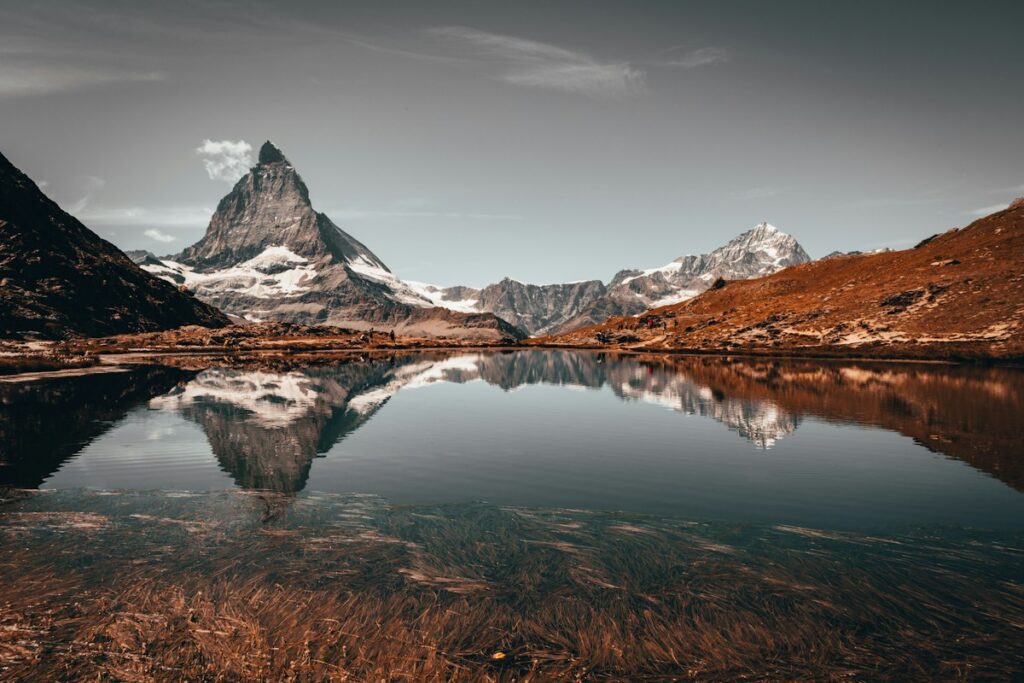
With emerald alpine meadows, crystal-clear glacial lakes, and snow-capped peaks that pierce the sky, Switzerland looks almost impossibly picturesque. But planning a one-week trip here often triggers anxiety: train tickets are notoriously complex, dining is among the priciest in Europe, and deciding between Jungfrau, Zermatt, and Lucerne can be paralyzing.
This 7-day Switzerland itinerary is built around the world-famous Swiss Travel Pass. Instead of dealing with expensive car rentals and nerve-wracking mountain pass driving, you’ll glide across alpine valleys on ultra-punctual trains, take scenic lake steamers, and sleep in storybook mountain villages with the Matterhorn right outside your window.
| Duration | 7 Days (1 Week) |
| Ideal Season | June to September (Hiking/Lakes) or December to March (Winter Wonderland) |
| Primary Transit | Swiss Federal Railways (SBB) + Swiss Travel Pass |
| Estimated Daily Budget | CHF 150 – CHF 280 per person (Mid-range travel) |
| Top Must-Book Highlight | Gornergrat Bahn (Zermatt) + Lake Lucerne Steamer |
🎟️ The Money-Saving Secret: Swiss Travel Pass
Days 1 & 2: Zurich, Historic Lucerne & Mount Rigi
Day 1: Arrival in Zurich & Golden Train to Lucerne
Land at Zurich Airport (ZRH) and take the direct 50-minute train south to Lucerne (Luzern), your home base for the first two nights. Lucerne is the archetypal Swiss town, set on the shores of Lake Lucerne beneath Mount Pilatus.
- Chapel Bridge (Kapellbrücke): Stroll across the 14th-century covered wooden bridge, admiring the interior triangular paintings depicting Lucerne’s storied past.
- Old Town & The Lion Monument: Wander the pedestrianized historic center with its fresco-adorned guild houses before paying homage at the deeply moving Lion Monument (Löwendenkmal), carved directly into a sandstone rock quarry.
Day 2: Lake Lucerne Steamer & The Queen of Mountains (Mount Rigi)
Board a historic paddle steamer from Lucerne pier across the sapphire waters of Lake Lucerne to Vitznau. From Vitznau, board Europe’s oldest cogwheel railway up to Rigi Kulm (1,797m). On a clear day, you are treated to a 360-degree panorama of 13 lakes and the jagged crests of the Bernese Alps.
Pro-Tip: The entire trip—lake boat, cogwheel railway, and descent via cable car to Weggis—is 100% free with the Swiss Travel Pass!
Days 3 & 4: The Bernese Oberland (Interlaken, Lauterbrunnen & Grindelwald)
Board the scenic Luzern-Interlaken Express over the Brünig Pass. As the train curves through turquoise Lake Brienz, have your camera ready.
Day 3: The Valley of 72 Waterfalls (Lauterbrunnen & Mürren)
Base yourself in the valley or up on the car-free mountain cliffs of Mürren or Wengen rather than central Interlaken for true Swiss alpine ambiance.
- Staubbach Falls: Walk through the postcard-perfect meadows of Lauterbrunnen, where the 300-meter Staubbach waterfall cascades down vertical limestone cliffs right behind village chalets.
- Trümmelbach Falls: Head inside the mountain to witness 10 glacial waterfalls churning up to 20,000 liters of melted glacier water per second inside carved subterranean caverns.
Day 4: Grindelwald First Cliff Walk & Alpine Lake Bachalpsee
Take the train over to Grindelwald and ride the gondola up to Grindelwald-First. Brave the First Cliff Walk by Tissot—a thrilling metal suspension walkway anchored into the sheer rock face over empty air.
After the thrill, embark on the gentle 50-minute alpine hike to Bachalpsee. On a calm morning, the snow-dusted Wetterhorn reflects flawlessly in the tranquil mirror-like surface of this alpine tarn.
Days 5 & 6: Zermatt & The Majestic Matterhorn
Take the regional train south into the Valais canton to Zermatt, a world-renowned, 100% car-free alpine village famous for the world’s most recognizable mountain: the pyramidal Matterhorn.
Day 5: Gornergrat Cogwheel Train & Riffelsee Lake
Ride the electric cogwheel train up to the Gornergrat summit (3,089m). From the viewing platform, gaze at the Monte Rosa massif, the massive Gorner Glacier, and the Matterhorn towering across the valley.
On the descent, disembark at Rotenboden station for an easy 10-minute walk down to Riffelsee. At morning or early afternoon, you can capture the iconic reflection of the Matterhorn mirrored in the water.
Day 6: Matterhorn Glacier Paradise & Fondue Evening
Ascend to the highest cable car station in Europe at Matterhorn Glacier Paradise (3,883m). Walk through the Glacier Palace carved into solid glacial ice, and step onto the viewing platform to glimpse French, Italian, and Swiss peaks simultaneously.
In the evening, celebrate your journey in a cozy wooden chalet restaurant in Zermatt (like Restaurant Schäferstube) indulging in bubbling, traditional Swiss cheese fondue with Valais white wine.
Day 7: Scenic Return to Zurich via Lake Geneva or Bern
On your final day, take the train through the capital city of Bern. Walk down the UNESCO-listed medieval cobblestone streets, see the clock tower (Zytglogge), and stroll past the Aare river before catching your departure flight from Zurich or Geneva.
Where to Stay in Switzerland Along the Route
- Lucerne (Nights 1 & 2): Hotel des Balances (historic riverfront charm) or Hotel des Alpes (terrace overlooking Chapel Bridge).
- Lauterbrunnen / Mürren (Nights 3 & 4): Hotel Silberhorn (Lauterbrunnen) or Hotel Alpenruh (Mürren with cliffside Matterhorn views).
- Zermatt (Nights 5 & 6): Backstage Boutique Hotel or Hotel Butterfly (central, cozy alpine decor).
Frequently Asked Questions: Switzerland in 7 Days
Is it better to rent a car or take the train in Switzerland?
Trains are overwhelmingly superior in Switzerland. The Swiss rail network is the world’s cleanest, safest, and most punctual transit system. Mountain towns like Zermatt, Mürren, and Wengen are strictly car-free anyway—meaning you would have to pay high parking garage fees in valley towns while missing out on panoramic rail vistas.
How much does food cost per day in Switzerland?
Switzerland is expensive. A casual sit-down restaurant meal typically costs CHF 30 – CHF 50 per person. To save money like savvy travelers do, buy fresh bread, local cheeses, and picnic meals from Coop or Migros supermarkets for lunch, then enjoy sit-down Swiss dinners in the evening.